
From spending time in classrooms and friends’ houses to sports fields and playgrounds, childhood is filled with a variety of experiences. If your child is suffering from a stuffy nose or other allergy symptoms, it can be difficult for them to fully engage in activities. That’s where our team at ENT for Children comes in. We can determine if allergies are causing your child’s symptoms and help them live life to the fullest.
Does My Child Have Allergies?
Symptoms of pediatric allergies include:
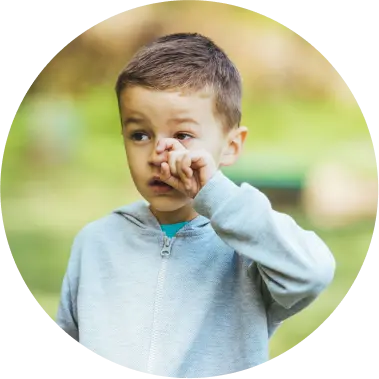
- Sneezing, runny nose, nasal congestion, itchy nose, itchy eyes, watery eyes, post nasal drainage, scratchy throat, itchy ears, throat clearing, or a horse voice
- Rashes or hives
What Causes Pediatric Allergies?
During an allergic reaction, your child’s immune system responds to a perceived threat by flooding the bloodstream with histamines. These chemicals attack the offending substance but lead to inflammation and swelling of the airways in the process.
Typical triggers include:
- Pollen from trees, weeds or grasses
- Pet hair
- Dust miles
- Mold

What Are Common Allergic Conditions in Children?
- Allergic rhinitis: This results in a runny nose, congestion, sneezing and postnasal drip.
- Nasal congestion: Allergies are the most common cause of pediatric nasal congestion.
- Ear infections: Allergies can cause fluid accumulation or inflammation of the ear, which can result in ear infections and earaches.
How Are Allergies Diagnosed in Children?
During the initial appointment, our pediatric ENT specialist will get to know you and your child. They’ll ask about your child’s symptoms, how long they’ve been occurring and their severity. In addition to performing a general physical exam, other potential procedures include:
- Nasal Endoscopy to assess the airway.
How Are Pediatric Allergies Treated?
Skin test: The most common allergy test, this procedure determines whether there are antibodies to certain allergens in the body. An area is pricked with a diluted allergen, and if your child is allergic to the allergen, a small bump will appear.
Allergies are typically treated with medication, immunotherapy (may include shots or drops under the tongue or tablets that dissolve under the tongue) and by avoiding triggers.
Your child’s doctor will discuss how to avoid allergens that cause problems. Common options include staying indoors on windy days and when the pollen count is high, managing dust in your child’s home, utilizing a dehumidifier and using air conditioning rather than opening windows when possible. Additionally, after they play outside during days with high pollen counts, have your child take a shower and change clothes.
This is often an ideal option for children who will not tolerate allergy shots and can help prevent asthma in some patients.
Children with severe cases that do not respond to other treatments may be candidates for immunotherapy, which is typically delivered through weekly injections, also known as allergy shots. This allows the body to eventually build up a tolerance to the allergen and minimize its effects.
Weekly injections and allergy shots are subcutaneous immunotherapy or SCIT. Allergy drops and tablets are sublingual immunotherapy or SLIT.
Will Pediatric Sublingual Immunotherapy Work for My Child?
Children with severe cases that do not respond to other treatments may be candidates for immunotherapy, which can be completed in several ways. Immunotherapy may involve weekly injections, daily drops under the tongue, or daily tablets that dissolve under the tongue. This allows the body to eventually build up tolerance to the allergen and minimize its effects. Immunotherapy may provide a cure for your child’s allergies.
Is It Allergies or Sinusitis?
There are often overlapping symptoms between allergies and sinusitis, whereas sinusitis is the result of cold viruses and is often worsened by allergies. Our ENT will determine if your child’s symptoms are being caused by sinusitis or allergies, which is the first step to providing the most appropriate treatment for their needs.
We’re Here To Help
At ENT for Children, we can provide treatment that will alleviate symptoms and get them to fully engage with every memorable childhood activity.
Find Relief Today
Navigating allergy treatment may seem like a complicated process. You might wonder why over-the-counter medications don’t work for your child or where to start when it comes to working with an allergist. At ENT for Children, we can answer these questions and others that may be on your child’s mind. Our collaborative, patient-centered process will allow your child to breathe easier, knowing you’re getting the best possible care.
Call ENT for Children for more information or to schedule an appointment.