
Pediatric sleep-related breathing disorders are a broad category encompassing conditions ranging from snoring to obstructive sleep apnea (OSA). In some cases, something like snoring can sound worse than it is. In others, it’s something that necessitates a visit to a sleep specialist.
Let’s look at a few red flags that tell you it’s time to bring your little one in to see a sleep specialist.
OSA Red Flags
Look out for the following red flags that could indicate OSA:
- Loud snoring. Many children will snore occasionally. Even if it’s very loud, occasional snoring isn’t usually a cause for concern. However, nightly snoring does warrant a visit to a sleep specialist.
- Breathing pauses. Breathing pauses may last up to a minute. They’re among the clearest signs of sleep apnea and require immediate attention from a sleep specialist.
- Mouth breathing. Mouth breathing may occur during the day or only at night. If your child is breathing through their mouth and isn’t congested, it may be a sign of OSA.
- Restless sleep. Tossing and turning all night is a sign of low sleep quality.
- Daytime sleepiness or hyperactivity. In some cases, your child may seem sluggish or prone to falling asleep throughout the day. In others, they won’t be able to stop moving and may show poor impulse control.
- Irritability. Unusual crankiness is a common sign of poor sleep quality.
- Behavioral issues. Your child may act up at home or get in trouble at school more frequently.
- Academic trouble. Unusual tiredness from OSA can impact attention span and mental processing, causing your child’s grades to go down.
A few additional signs you may notice include sleepwalking, nightmares, bedwetting, bad breath and morning headaches.
Seeking Treatment
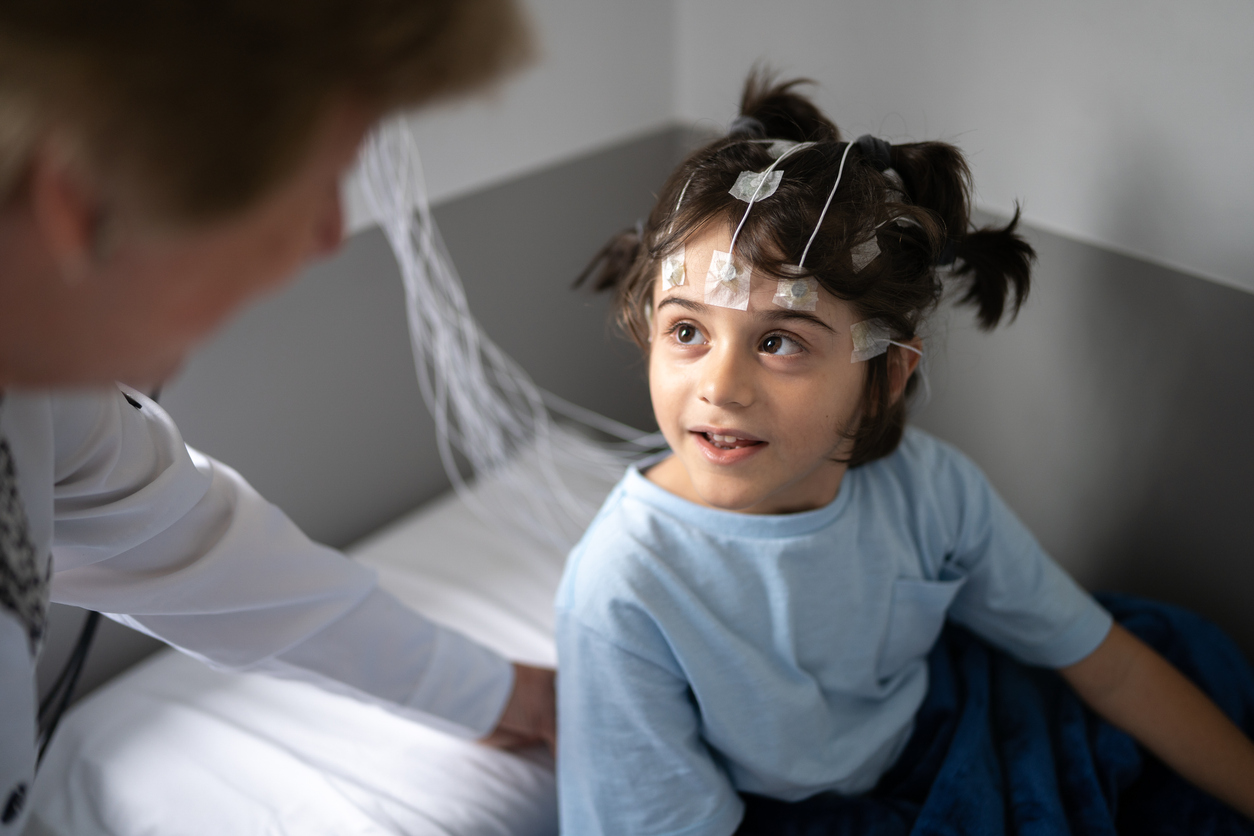
If your child starts exhibiting any of the above red flags, call us at ENT for Children to schedule an appointment with one of our sleep specialists. We may recommend an at-home or in-lab sleep study to diagnose or rule out OSA.
If we diagnose your child with OSA, there are a few different treatment options, including a continuous positive airway pressure (CPAP) machine, surgery, medication or lifestyle changes. We’ll talk you through each option to help you choose the right one for your child.