
Pediatric allergies are fairly common, with the CDC estimating that 27.2% of children had one or more allergic conditions in 2021[1]. When your child has their first allergic reaction, recognizing their symptoms, finding the cause and knowing when to seek treatment is crucial. Let’s look at each of those steps to help you respond well in the event that your child develops an allergy.
Recognizing the Symptoms
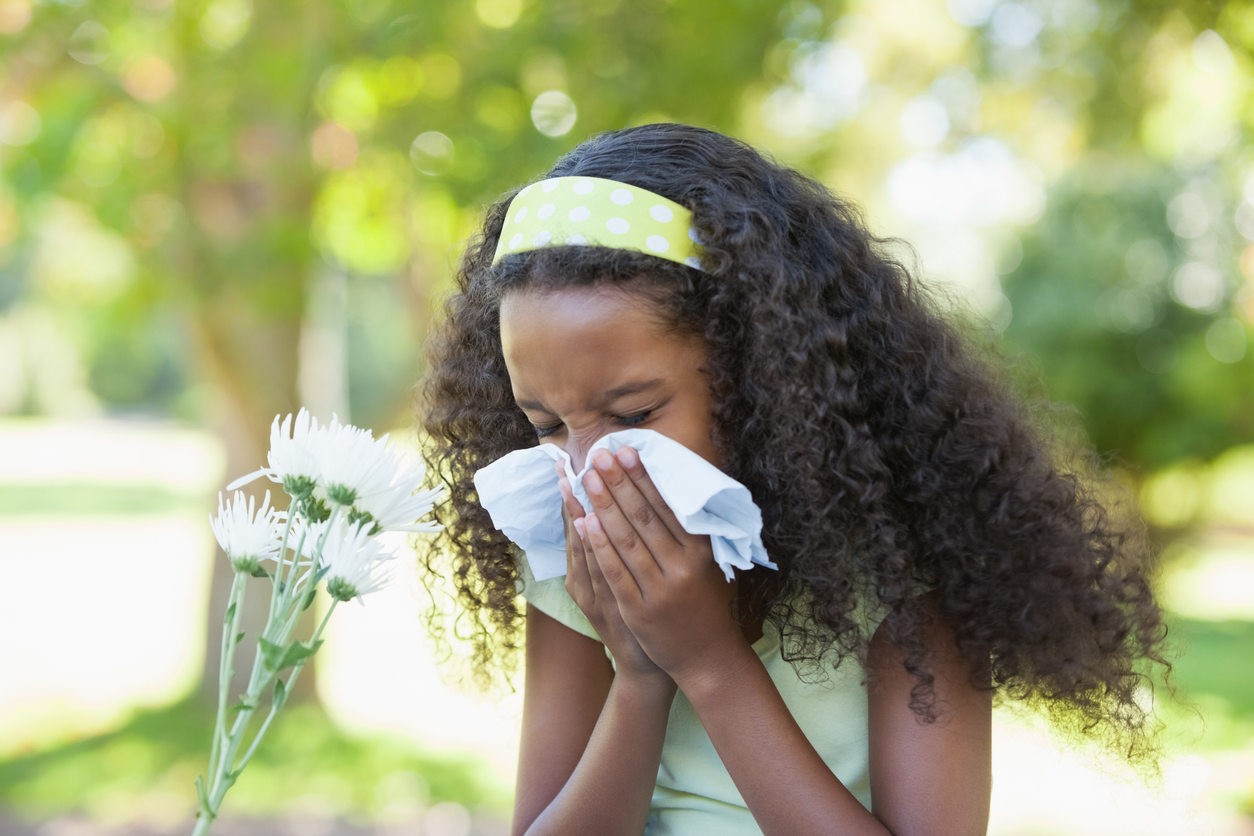
Your child’s symptoms may vary by the substance they’re reacting to, but mild allergies typically cause one or more of the following:
- Red, itchy or watery eyes
- Sneezing
- Runny or stuffy nose
- Coughing
- Red bumps on the skin (hives)
- Nausea (usually with food allergies)
If your child develops a severe allergy, symptoms may include:
- Shortness of breath
- Inability to swallow
- Severe hives, redness and itching
- Nausea and vomiting
- Cramps
- Diarrhea
- Drop in blood pressure
- Weak pulse
- Increased heart rate
- Feeling faint
Severe reactions are most common from food or insect sting allergies.
Finding the Cause
Identifying the cause of your child’s symptoms is crucial to managing them moving forward. A few possible causes include:
- Pollen
- Pet dander
- Dust mites
- Latex
- Insect stings
- Certain medications (penicillin, nonsteroidal anti-inflammatory drugs, etc.)
Many allergies are caused by certain foods, including but not limited to:
- Dairy
- Eggs
- Shellfish
- Peanuts or tree nuts
- Soy
- Wheat
- Seeds
After your child has an allergic reaction, consider the environment they were in and whether they were eating any new foods or taking any new medication. For example, if they develop hives after playing in Magnolia Park with their friends, it’s likely that they’re allergic to one or more types of pollen. Food allergies are a little easier to pinpoint, as symptoms will typically develop within a few minutes to two hours after eating[2].
Your child’s allergist at ENT for Children can use this information to decide which allergies to test for.
When To Seek Treatment
How quickly you need to seek treatment will depend on your child’s symptoms. If they start displaying severe symptoms, you should seek emergency medical attention, as they may be going into anaphylactic shock—a life-threatening allergic reaction.
If your child’s symptoms are mild, schedule an appointment with us at ENT for Children. We’ll conduct an allergy test to identify which specific substances are causing their symptoms and help you choose the best treatment path, whether it’s allergy medications, immunotherapy or allergen avoidance.
[1] Zablotsky, Benjamin et al. (2023). Diagnosed Allergic Conditions in Children Aged 0–17 Years: United States, 2021. (459).
[2] Mayo Clinic. (2024, August 30). Food allergy: Symptoms and causes. https://www.mayoclinic.org/diseases-conditions/food-allergy/symptoms-causes/syc-20355095