
Ear infections are the most common reason parents bring their children to the doctor’s office. Although most infections resolve without lasting complications, they can temporarily affect your child’s ability to hear.
If your child experiences frequent ear infections, you may wonder whether they could interfere with hearing or speech development. Fortunately, most hearing problems caused by ear infections are temporary. However, recurring infections should be monitored to protect your child’s hearing as they grow.
How Do Ear Infections Affect Hearing?
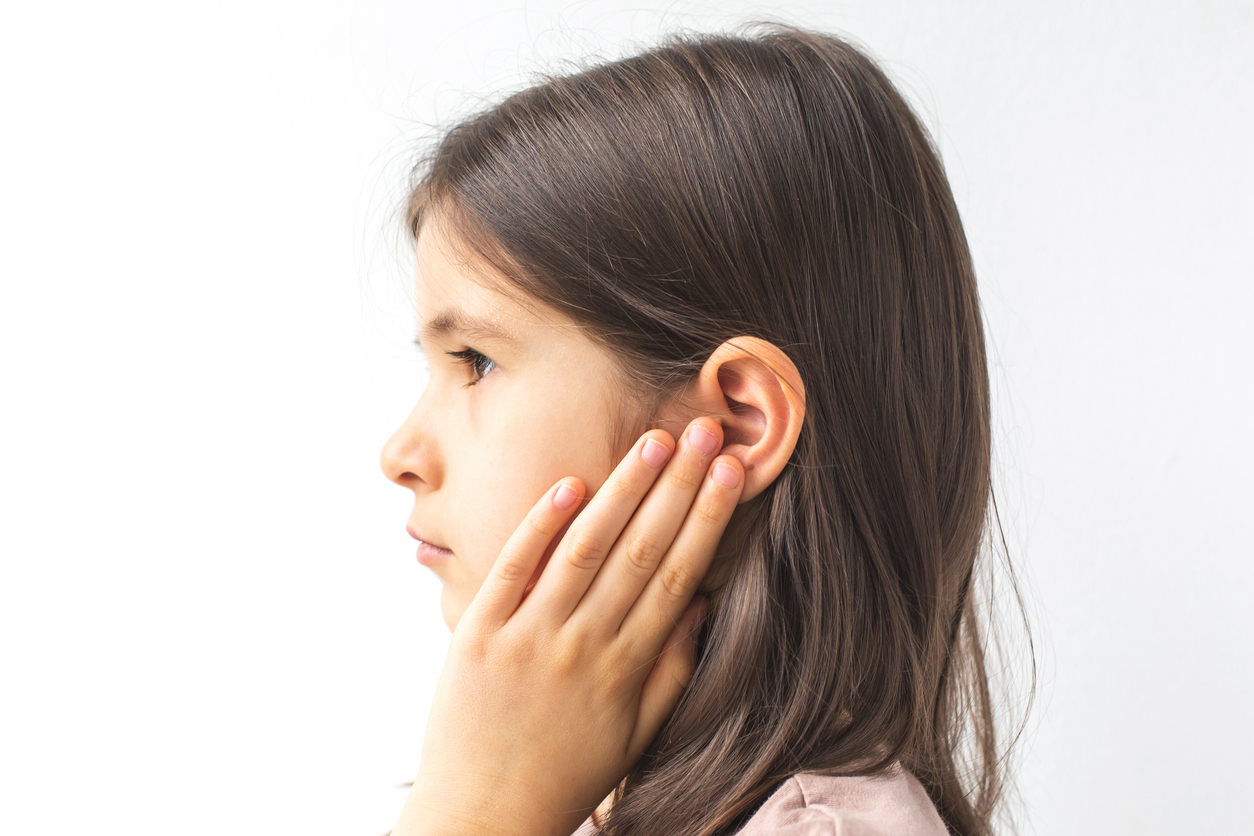
Ear infections can cause fluid to accumulate behind the eardrum in the middle ear. This fluid interferes with the movement of sound vibrations, making it harder for your child to hear clearly.
You may notice that your child frequently asks you to repeat yourself, turns up the television volume or doesn’t respond when you speak to them. These can all be signs of hearing difficulties.
Typically, hearing returns to normal once the infection clears and the fluid drains. However, some children experience persistent fluid buildup even after an infection has resolved. In these cases, an ENT specialist may recommend ear tubes. These small tubes help ventilate the middle ear, drain trapped fluid and reduce recurring infections.
In more severe cases, an ear infection can damage or rupture the eardrum. While many ruptures heal naturally, some require additional treatment with a medicated patch to restore normal ear function.
Can Ear Infections Cause Permanent Hearing Loss?
Although uncommon, severe or repeated ear infections can sometimes damage the structures inside the middle ear, resulting in permanent hearing loss.
Even temporary hearing difficulties can affect your child’s speech development if they happen frequently. Young children depend on their hearing to learn new words, recognize sounds and develop communication skills. When hearing problems interfere with this process, children may experience delays in speech and language development.
This is especially important during infancy and early childhood, when communication skills develop rapidly. Identifying hearing problems early can help prevent unnecessary delays and ensure your child receives appropriate support.
How Can I Protect My Child’s Hearing?
Most ear infections resolve on their own, but persistent or recurring infections may require antibiotics or ear tubes.
If your child frequently develops ear infections or shows signs of hearing difficulties, schedule an evaluation with an ENT specialist at ENT for Children today.
Sources
National Institute on Deafness and Other Communication Disorders. (2022). Ear infections in children. Nidcd. https://www.nidcd.nih.gov/health/ear-infections-children